Update: May 14, 2026
New short-term rental rules approved for RDCO electoral areas
The Board approved a package of zoning, business licensing and enforcement bylaw amendments to regulate short-term rentals in RDCO electoral areas ahead of the 2026 tourism season. The new framework includes business licensing requirements, enforcement tools, operator accountability measures and updated penalties for non-compliance.
The new framework is intended to support a balanced approach that allows short-term rentals while protecting neighbourhood livability and providing a clear compliance and enforcement process. Read the news release to learn more.
The STR operator guidebook is the best resource for STR business licences. Learn more and get ready: rdco.com/STR
FAQ
Past updates
The Regional Board has moved forward with proposed updates to allow short-term rentals in Central Okanagan electoral areas, following a public hearing.
Bylaw amendments to Zoning Bylaw No. 871 and Joe Rich Rural Land Use Bylaw No. 1195 have received second and third readings. Related bylaws addressing licensing and enforcement have also been introduced and received first reading.
Before the changes can take full effect, and before business licences can be issued, final approval is required from the Ministry of Transportation and Transit.
In the meantime, property owners who are interested in operating a short-term rental can begin preparing the necessary application materials before the approval of this regulatory framework is finalized. The STR operator guidebook is the best resource for STR business licences. Learn more and get ready: rdco.com/STR
The Regional Board meets on May 14, 2026 for the final reading and adoption of bylaw amendments. See rdco.com/agenda for meeting agenda, minutes and video.
The Regional Board has given first reading to proposed bylaw amendments to update short-term rental regulations in Electoral Areas East and West. A public hearing is scheduled for April 16, 2026, at 5 p.m.
The proposed amendments are intended to clarify existing rules, balance housing needs and support effective enforcement.
Residents are encouraged to review the draft bylaw amendments, read the FAQ below, and explore the detailed What We Heard Report in advance of the public hearing.
Additional details about how to participate in the public hearing will be shared as they become available.
What is being proposed
The proposed changes to STRs include:
- Defining STRs as stays of 90 days or less.
- An RDCO Business License will be required for all short-term rentals. (Additional provincial licensing requirements, separate from RDCO, are also in place).
- Continuing to license a maximum of one STR per property.
- Allowing STRs in guest rooms or secondary suites.
- Allowing STR operators to rent out the entire property for short-term stays (owners do not need to live there or be present during guest stays).
- Enabling STR use only in areas that meet minimum life and safety standards (i.e., within a Fire Protection Area) proper servicing, emergency access, and at least one off-street parking space).
- Not allowing STR use of an Accessory Dwelling Unit at this time.
Public engagement summary
Public engagement on the proposed STR changes was open from January 12 to February 2, 2026, and included three in-person open houses and a virtual public information session. A survey was the main mechanism for collecting feedback on proposed bylaw changes.
847 survey responses were received, with 251 responses from Electoral Area residents and property owners. Among the responses from Electoral Area residents:
- 63% supported the proposed approach to regulating short-term rentals, including 48% who strongly supported it.
- 26% were opposed.
- Feedback emphasized the need for clearer rules and consistent enforcement, along with support for flexibility for property owners and recognition of tourism and economic benefits.
- Common concerns included noise, neighborhood impacts and housing availability.
The results of the January 2026 public engagement efforts, along with survey findings, will be presented by RDCO staff to the Board of Directors at the Regional Board Meeting on Thursday, March 19, 2026. The Board Package and Agenda are available here. For a comprehensive summary of the engagement process and survey responses, please read the What We Heard Report.
The Regional District of Central Okanagan (RDCO) is updating its regulations for short term rentals (STRs) in Electoral Areas East and West. These updates aim to create a clearer and more consistent regulatory framework that aligns with provincial legislation while reflecting the unique rural context and priorities of Electoral Area East and Electoral Area West.
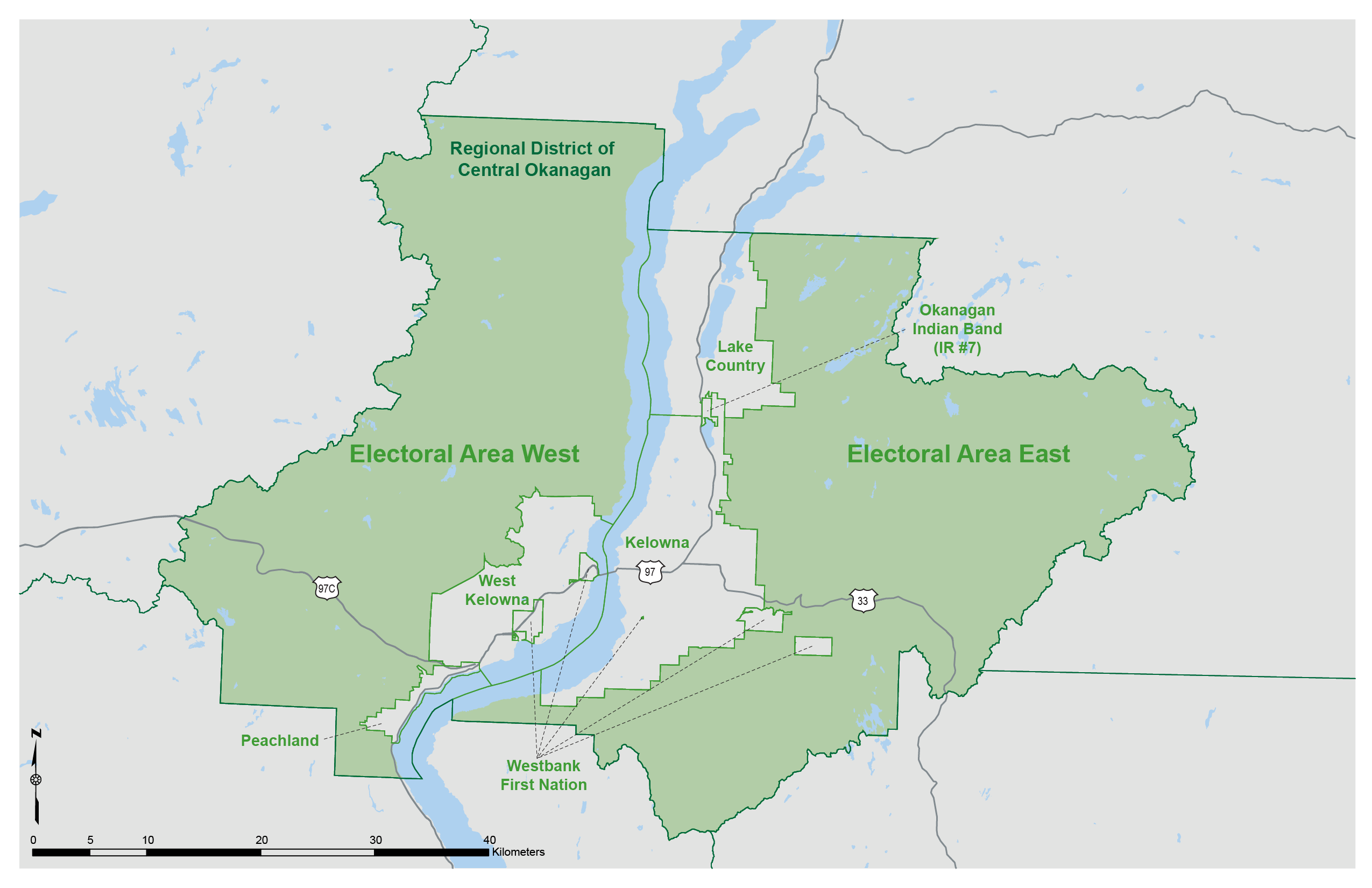
Important note: This approach does not apply to surrounding municipalities including The City of Kelowna, City of West Kelowna, The District of Peachland or The District of Lake Country.
Short term rentals play an important role in many rural communities by supporting tourism, generating income for property owners, and contributing to local businesses. At the same time, thoughtful regulations are needed to help maintain rural character, protect public safety, and balance the needs of both long-term residents and visitors.
Survey now closed. Stay tuned for the final report.
Why this matters now:
Demand is growing, but regulations through most of the RDCO only allow the bed‑and‑breakfast model, meaning operators who want to offer whole‑home rentals are being turned away. This potentially limits tourism and income opportunities for property owners. Whole home vacation rentals are only permitted in very limited areas of the RDCO (such as La Casa, McCulloch, Secret Point)
RDCO is proposing updates to provide clearer, more flexible rules that could allow STRs in secondary suites and full homes throughout a much larger area of the RDCO, better reflecting tourism demand and property owner requests.
Provincial rules have changed, now requiring STR operators to have a business licence to be able to register and list on major platforms (such as AirBnB), making this the right time for RDCO to update and align its regulations.
How Can You Participate?
Starting mid-January 2026, you can:
Complete an online survey on YourSay RDCO starting on January 12.
Attend a community open house in your electoral area to learn more, ask questions, and complete the survey in person.
- Attend our online meeting for those who are unable to come to the in-person sessions. Detail to come.
- The survey closes on Monday, February 2
Engagement Session Schedule
- January 12 – Survey goes live
- January 15 – Virtual engagement session – 5:00 -6:00 p.m.
- January 20 – In-person drop-in open house – 5:00 – 6:00 p.m. at Wilson’s Landing Fire Hall
- January 20 – In-person drop-in open house – 5:00 – 6:00 p.m. at Killiney Beach Community Hall
- January 22 – In-person drop-in open house – 5:00 – 6:00 p.m. at Ellison Heritage Community Centre
Your feedback will inform the final STR framework, which will go to the Regional Board for review in Spring.
What’s Being Proposed?
The RDCO’s initial approach to short-term rentals includes:
- Defining short-term rentals (STRs) as stays of 90 days or less.
- An RDCO Business License will be required for all short-term rentals. (Additional provincial licensing requirements, separate from RDCO, are also in place).
- Continuing to license a maximum of one STR per property.
- Allowing STRs in guest rooms or secondary suites.
- Allowing STR operators to rent out the entire property for short-term stays (owners do not need to live there or be present during guest stays).
- Enabling STR use only in areas that meet minimum life and safety standards (i.e., within a Fire Protection Area) proper servicing, emergency access, and at least one off-street parking space).
- Not allowing STR use of an Accessory Dwelling Unit at this time.
These changes aim to create a clear, consistent framework that balances community safety, rural character, and economic opportunity.
Why Are We Making Changes:
In 2023, the Province of British Columbia introduced Bill 35, the Short-Term Rental Accommodations Act, as part of its Homes for People plan, “to give governments stronger tools to enforce short-term rental bylaws.” This legislation:
- Established consistent rules for short-term rentals (STRs) offered through platforms like Airbnb and VRBO.
- Created a provincial enforcement system and strengthened enforcement powers for local governments.
- Introduced a principal residency requirement for communities with populations of 10,000 and above, allowing STRs only in a host’s principal residence and restricting their use in secondary properties.
- As predominantly rural areas, Regional Districts were not mandated to adopt the principal residency requirement in their Electoral Areas. However, they may choose to “opt in” by resolution of the Board.
Under Bill 35, the RDCO provides planning and bylaw services for Electoral Area East and Electoral Area West and has the authority to manage STRs through zoning regulations and business licensing. Currently:
- STR operators in RDCO Electoral Areas must register with the Province’s STR Branch Registry to operate legally and be listed on platforms like Airbnb and VRBO.
- Local bylaws and zoning regulations still apply.
- Bed and Breakfast operations in residential zones require an RDCO business license to obtain a provincial registration number.
- At present, the only permitted STR model is a guest room within the principal residence in selected residential zones (the traditional bed and breakfast model). However, RDCO is proposing a new policy approach to provide more clarity and flexibility, including potentially allowing STRs in secondary suites and whole-homes.This engagement process will ask residents whether whole-home STRs should be allowed or if RDCO should continue requiring operators to remain on-site within the principal residence or an accessory dwelling unit. Your feedback will help inform changes to relevant bylaws.
Where Do These Rules Apply?
These regulations apply only to RDCO Electoral Areas. These include the communities of Joe Rich, Ellison, Wilsons Landing, and other rural areas within Electoral Area East and West. These regulation changes do not apply to the City of Kelowna or other municipalities.
Why Your Feedback Matters
Community engagement is essential to ensure the final approach reflects local priorities, maintains rural character, and supports economic opportunities for our region.
Your input matters. Help shape the future of short-term rentals in Central Okanagan Electoral Areas East and West